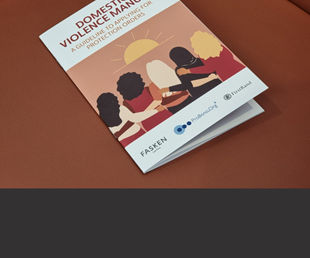
A protection order can be an important step towards safety. Knowing how the process works, where to seek help and what happens after an order is granted can make that protection more accessible and effective.
South Africa’s magistrates’ courts deal with applications for protection from domestic violence and harassment. A person does not need a lawyer to apply: an application can be lodged with the clerk of the court, and an unrepresented applicant must be informed about available relief and the possibility of laying a criminal complaint where an offence has occurred.
1. Which protection may apply?
Domestic violence
Protection is available where the complainant and respondent are or were in a recognised domestic relationship. This can include spouses, dating partners, certain family relationships, parents of a child and qualifying close relationships involving a shared residence.
Domestic violence is not limited to physical violence. The law recognises sexual, emotional, psychological and economic abuse, intimidation, harassment and other harmful conduct.
Reforms implemented in 2023 broadened the recognition of abuse to expressly include coercive and controlling behaviour, spiritual abuse, exposing a child to domestic violence and forms of technology-facilitated harassment.
Harassment
A domestic relationship is not required under the Protection from Harassment Act. Protection may therefore be available where the alleged harasser is, for example, a neighbour, colleague, acquaintance or stranger. Harassment can include unreasonable following or watching, harmful communications and sexual harassment, including electronic harassment.
2. What happens when you apply?
An applicant ordinarily completes the prescribed application and lodges it with the clerk of the magistrate’s court. Legal representation is not a prerequisite.
In domestic-violence matters, court clerks should explain the relevant information in the applicant’s language of choice and assist a person who cannot read, write or complete the form. The completed application should also be read back so the applicant can confirm that it accurately records their circumstances.
Where the statutory requirements are met, a magistrate can issue an interim protection order without first giving notice to the respondent. If an interim order is not granted immediately, that does not necessarily mean the application is over. The legislation provides for the respondent to receive notice and an opportunity to explain why a final protection order should not be granted.
3. What can a protection order do?
Depending on the circumstances, a domestic-violence order can include measures restricting a respondent from entering a residence or workplace, provisions relating to the seizure of weapons and emergency monetary relief. Harassment orders can prohibit further harassment, prevent harassment through other people and impose additional conditions necessary for safety.
Important: obtaining a protection order does not automatically mean that the respondent will be arrested. The legislation provides for a warrant of arrest whose execution is suspended while the respondent complies with the order. A breach of specified terms of the protection order is a criminal offence.
4. The process is not always easy
Legal rights on paper must translate into protection in practice.
People seeking protection may experience difficulty understanding forms and evidence requirements, language barriers, repeated court attendances, postponements and delays. Difficulties serving an order on a respondent can also create a significant safety gap.
The law nevertheless provides mechanisms that can assist. For example, where an alleged harasser’s identity or address is unknown, a court may, subject to the statutory requirements, seek information from electronic communications service providers or direct a police investigation to help identify or trace that person.
5. The law is evolving
South Africa’s framework has progressively expanded protection. The Protection from Harassment Act extended civil protection beyond domestic relationships and addressed conduct including cyberstalking and bullying.
Domestic-violence reforms that took effect in 2023 introduced or strengthened measures including electronic applications, urgent consideration in qualifying circumstances, safety-monitoring mechanisms, measures addressing electronic abuse, and safeguards for vulnerable witnesses during proceedings.
The message for 16 Days
PROTECTION IS MORE THAN A COURT ORDER.
Meaningful access to justice means being able to seek help, understand the process, obtain appropriate protection promptly, have an order properly communicated and enforced, and pursue safety without being unnecessarily exposed to further harm.
This bulletin provides general information and is not a substitute for legal advice. The appropriate remedy will depend on the circumstances of each matter.