Autonomous mobility is no longer a future concept. Connected, automated, driverless, robotic, and uncrewed technologies are moving from pilot projects to real-world deployment. We can help you move your technology from the whiteboard to commercial operations.
Who we are and who we serve
Fasken has extensive experience advising technology companies operating in the complex Canadian regulatory environment. We have been at the forefront of implementing autonomous technologies across all major sectors in Canada and regularly support organizations developing, testing, deploying, and commercializing autonomous and connected technologies. While our deep knowledge of Canadian requirements is a core strength, we also assist clients with cross-border deployments and operations, working closely with counsel and regulators in key international markets, including the United States and Europe, to help manage legal, regulatory, and commercial risks across jurisdictions.
- Vehicle, robotics, and equipment manufacturers
- Mobility platforms
- Commercial and industrial operators of autonomous vehicles
- Infrastructure providers and public-sector organizations
- Technology and data providers, including AI and software companies, sensor and mapping providers, connectivity partners, and other infrastructure enablers
The autonomous mobility ecosystem extends beyond vehicle and platform developers. It includes technology providers, infrastructure partners, investors, regulators, and other organizations that play a critical role in bringing autonomous technologies to market.
Where autonomous mobility is heading
The use of autonomous technologies in commercial and industrial operations is rapidly expanding across Canada. Each use case has its own commercial, technical, and regulatory challenges, but common issues include technical viability, safety, data privacy, cybersecurity, liability, insurance, and regulatory approvals.
Connected, Autonomous, & Commercial Vehicles
Autonomous trucking, robotaxi platforms, and connected and autonomous vehicle technologies are reshaping how people and goods move over longer distances and through shared transportation networks. For developers, operators, users, and public-sector partners, this area engages questions of vehicle safety and certification, testing and deployment approvals, data use and privacy, liability, insurance, infrastructure readiness, commercial partnerships, and regulatory change.
Ground Robotics & Autonomous Delivery Systems
Delivery robotics, industrial and logistics robotics, and ground-based autonomous systems are creating new ways to move goods through cities, campuses, industrial sites, and logistics networks. As these systems move from testing to deployment, developers and operators need to navigate a complex regulatory environment along with public-space use, commercial contracts, product liability, and data governance issues.
Drones & Advanced Air Mobility
Drone and aerial mobility technologies are expanding how companies deliver goods and services to their customers. This includes remote inspection, monitoring, and surveying capabilities as well as advanced aerial delivery of goods and cargo. Commercial drones, drone delivery platforms, and advanced air mobility technologies can create new operational opportunities, but they also raise questions around aviation safety and regulation, logistics, cybersecurity, airspace management, liability, insurance, and infrastructure.
Connected Vehicle Technology & Infrastructure
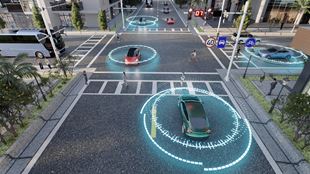
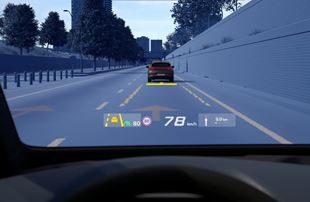
Connected vehicle technologies and the infrastructure that supports them are critical enablers of autonomous mobility. This includes in-vehicle connectivity and software, sensors and perception systems, mapping and data platforms, vehicle-to-everything (V2X) communications, and the roadside and network infrastructure that supports connected transportation ecosystems. As governments and industry invest in smart intersections, connected corridors, telecommunications networks, and intelligent transportation systems, businesses must navigate evolving regulatory requirements, cybersecurity and privacy considerations, data governance obligations, procurement and public-private partnership arrangements, commercial contracts, and liability risks. Fasken advises clients across the connected mobility ecosystem on the legal, regulatory, commercial, and risk management issues associated with developing, deploying, and operating these technologies.
We have the expertise to help your company meet the regulatory, legal, and commercial challenges posed by developing and operating autonomous technologies in Canada. Our multidisciplinary team helps clients understand and navigate the legal landscape across the full lifecycle of a project, from development and testing to commercialization, deployment, and ongoing compliance.
This includes advice on:
- Autonomous vehicle design, manufacture, testing, importation and certification
- 360 degree use case analysis relating to regulatory compliance and approvals, safety, liability and commercial impact
- Transportation, privacy, cybersecurity, data governance, competition, trade, insurance, and procurement requirements
- Connected vehicle issues involving biometrics, geolocation, incident response, and emerging cyber risks
- Risk management and response strategies, including regulatory investigations, incident response and reporting, product recalls, product liability matters, class actions, and other disputes involving autonomous and connected technologies
- Intellectual property protection and commercialization for AI, software, sensing technologies, and autonomous systems